- Tick Season: What You Need to Know.

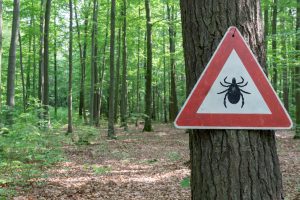
Tick Season: What You Need to Know.
Tick season is here, and the dangers of catching Lyme Disease is real. Read on for more information to keep you and your family safe this summer.
Tick bites can occur at any time; however, they are most active during warmer months (April-September.) Ticks can attach to any part of the body but are mostly found in hard-to-see areas such as the groin, armpits and scalp.
All tick bites are not the same. Lyme Disease is on the rise and due to a certain type of tick.
Lyme disease occurs after a person has been infected with the bacteria Borrelia burgdorferi. The bacteria is transmitted to humans through the bite of infected blacklegged ticks who have been attached to its host for 36 to 48 hours.
The blacklegged tick’s prime season is summer; however, research has shown that climate change could prolong the feeding season for ticks increasing the spread of Lyme disease. These ticks can be found in wooded and high grass areas.
Each year, 300,000 Americans are diagnosed with Lyme disease according to the U.S. Centers for Disease Control and Prevention (CDC.)
Fortunately, you can take preventative measures to try and ensure your safety.
- Wear long sleeve shirts and long pants.
- Use insect repellant that contains DEET.
- Bathe immediately after being outdoors.
- Inspect for ticks within two hours of being outdoors.
Most people infected with the bacteria will develop a rash with a solid center and a ring around it; also called a bulls-eye. This rash typically occurs about 36 hours after a tick has found a host. In the next week, you may experience a fever, chills, and aches and pains. You should seek medical treatment immediately. At this time, most Lyme disease cases are treated with an antibiotic.
40+ years of experience from strong, knowledgeable, compassionate attorneys.
Start A Free EvaluationLyme disease can cause facial palsy, severe headaches, swelling in large joints, shooting pains, and changes in heartbeat if not initially treated with antibiotics. Up to 20 percent of Lyme disease cases can cause lasting symptoms, including arthritis in the joints, cognitive difficulties, chronic fatigue, and sleep disturbances, even after antibiotic treatment.
Keep yourself and family safe by checking for ticks right away after being outside in wooded and high grass areas to decrease your risk of Lyme disease.
Source: healthline.com, “Lyme Disease: More Common and More Dangerous Than You Think”