- Navigating Winter Hazards: Understanding Comparative Negligence in Slip and Fall Accidents

Navigating Winter Hazards: Understanding Comparative Negligence in Slip and Fall Accidents
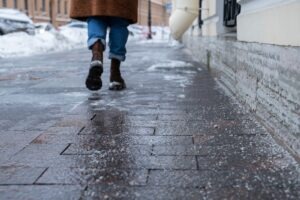
A slip and fall on an icy or snow-covered sidewalk can be hard to avoid.
Property owners are responsible to make sure their sidewalks and parking lots are safe for their guests, no matter the weather.
Determining whether you can hold someone liable for your injuries due to a sidewalk slip and fall will depend on several factors: Who is responsible for maintaining the portion of sidewalk you slipped on and whether the property owner’s actions were negligent.
Understanding legal concepts such as comparative negligence is crucial during this time, as it can play a significant role in determining liability in winter-related accidents.
40+ years of experience from strong, knowledgeable, compassionate attorneys.
Start A Free EvaluationWhat is Comparative Negligence?
Comparative negligence is a legal principle that assigns responsibility for an accident based on the degree of fault of each party involved. This acknowledges that more than one person can be at fault for an incident. In the event of an accident due to winter conditions, this principle becomes vital in determining who is responsible when someone slips and falls.
We know you’re hurting. We can help. Free case evaluations, home and hospital visits.
Contact Us Now For HelpWinter Conditions and Slip and Fall Accidents:
Winter conditions present countless challenges, from icy sidewalks to snow-covered parking lots. These hazards significantly increase the likelihood of slip and fall accidents. Property owners have a duty to maintain safe premises, which includes addressing winter-related dangers promptly. However, individuals also have a responsibility to exercise reasonable care when navigating these conditions.
You need an attorney with the experience and dedication to give your case the care it deserves.
Start A Free EvaluationUnderstanding the Role of Comparative Negligence:
In a slip and fall case related to winter conditions, comparative negligence allows a fair evaluation of fault. For instance, if a property owner fails to salt an icy sidewalk, they may be partially at fault. However, if the injured party was wearing inappropriate footwear or engaging in risky behavior, their degree of fault could also be considered.
We can address all the legal hurdles that may be keeping you from getting a fair settlement.
Speak To An Attorney TodayDocumentation and Evidence:
When dealing with slip and fall accidents in winter conditions, documentation is crucial. Both parties should gather evidence to support their claims. Property owners should maintain records of their efforts to address winter hazards, such as salting walkways and removing snow promptly. On the other hand, the injured party should document the scene of the accident, any warning signs (or lack thereof) and their own actions leading up to the incident.
The Importance of Prompt Reporting:
In any slip and fall case, timely reporting is essential. Winter conditions can worsen injuries, making it crucial to seek medical attention promptly. Additionally, reporting the incident to the property owner or manager as soon as possible helps establish a clear timeline of events and may contribute to a more accurate determination of fault.
Final Tips for Navigating Winter Conditions:
- Exercise Caution:
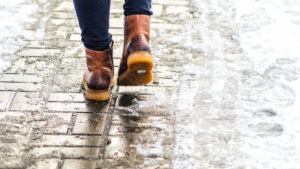
- Pedestrians should wear appropriate footwear with good traction.
- Drivers should reduce speed, maintain a safe following distance and equip their vehicles with winter tires.
- Document the Scene:
-
- Take photos of the accident scene, including any hazardous conditions.
- Gather witness statements if possible.
- Seek Medical Attention:
-
- Promptly seek medical care and document injuries.
Getting the help you need after an accident.
Navigating winter conditions requires attentiveness and responsibility from both property owners and individuals. Comparative negligence offers a framework for assessing fault in slip and fall accidents, helping to assure fairness.
Slip falls are one of the most common injury claims pursued during the winter months. These types of accidents can often lead to serious injuries causing victims to miss time from work and family.
If you or someone you know were injured in a slip and fall accident, contact the personal injury attorneys at Berger and Green for a free no obligation consultation.