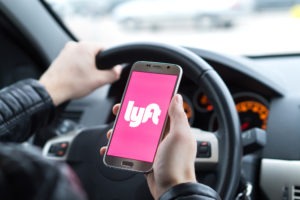
A Lyft ride is supposed to be convenient, affordable, and safe—but when a crash happens, the situation can become confusing quickly. Lyft accidents involve multiple insurance policies, questions about whether the driver was “in the app,” and uncertainty about who is responsible for paying your medical bills and other losses. That’s why many injured riders, drivers, and other motorists turn to a Pittsburgh Lyft accident lawyer for guidance.
For over four decades, the attorneys at Berger and Green have helped injured people throughout Pittsburgh, Pennsylvania, navigate complex motor vehicle claims, including those involving rideshare companies. If you were injured in a Lyft collision, speaking with a Pittsburgh rideshare accident lawyer can help you understand your next steps and protect your right to compensation. From the moment you contact us, our team works to make the process easier so you can focus on your recovery while we handle the rest. Call now.
Why Choosing the Right Legal Team Matters After a Lyft Accident
Lyft collisions often create stress and financial pressure at a time when you should be focused on your health. Many injured people quickly discover that rideshare claims can feel overwhelming, especially when insurers dispute coverage or provide unclear information. Having someone you trust to guide you through the process can make a meaningful difference.
Working with a Pittsburgh Lyft accident lawyer gives you access to a team that understands how these cases unfold and what steps help protect your claim. Our Pittsburgh car accident lawyers at Berger and Green help injured people understand which insurance policies may apply and guide them through the next steps. We focus on making a difficult time easier by explaining your options, answering your questions, and helping you take informed next steps.
For more than 40 years, our Pittsburgh personal injury lawyers has represented injured people throughout Pittsburgh with personalized, compassionate service. Our client-first approach includes free consultations, home or hospital visits when needed, and contingency-fee representation—meaning you owe no attorneys’ fees unless we recover compensation for you. Having the right legal team gives you the support and guidance you deserve as you move forward after a serious Lyft accident.
40+ years of experience from strong, knowledgeable, compassionate attorneys.
Start A Free EvaluationCommon Causes of Lyft Accidents in Pittsburgh
Pittsburgh’s roadways present challenges that can increase the risk of rideshare accidents. Lyft drivers must navigate conditions that are often more demanding than in other cities. Heavy traffic in busy neighborhood corridors, university zones, and event venues can also contribute to collisions.
Several factors frequently play a role in Lyft-related crashes in Pittsburgh, including:
- Distracted driving, especially when drivers look at the app for navigation or new ride requests
- Fatigue, which can occur during long shifts or late-night driving throughout the city
- Steep grades, tight intersections, and complex merges found in many Pittsburgh neighborhoods
- Weather conditions, including rain, fog, snow, or icy roads during colder months
- Inexperience navigating bridges, tunnels, and narrow city streets
Understanding the factors that may have contributed to your crash can help clarify questions about fault and what insurance coverage may apply as your claim moves forward.
We know you’re hurting. We can help. Free case evaluations, home and hospital visits.
Contact Us Now For HelpWhy Lyft Accidents Are More Complicated Than Other Crashes
Collisions involving Lyft vehicles often raise issues that aren’t present in a typical two-car accident. Lyft accidents can involve multiple insurance policies, each with different terms, coverage limits, and exclusions. Understanding how these policies work—and when they apply—can be challenging for anyone recovering from an injury.
Rideshare drivers are independent contractors, not employees. Because of this, liability and insurance coverage depend on whether the driver was using the Lyft app and what stage of a ride they were in at the time of the crash. Small details can significantly change which coverage applies. Common challenges include:
- Determining whether the Lyft driver was actively logged into the app at the time of the collision
- Identifying which insurance policy applies during each stage of the ride
- Sorting out liability when multiple drivers or vehicles are involved
- Understanding when Lyft’s coverage applies versus the driver’s personal policy
- Communicating with several insurers who may dispute fault or shift blame
These complications make it especially important to understand how rideshare insurance works.
You need an attorney with the experience and dedication to give your case the care it deserves.
Start A Free EvaluationWho Is Liable in a Pittsburgh Lyft Accident?
Determining who is responsible for a Lyft accident is often more complicated than in a standard car crash. Liability may fall on the Lyft driver, another motorist, a vehicle manufacturer, or even multiple parties at once. Because compensation depends heavily on who caused the collision, identifying the at-fault party is an essential step in any rideshare injury claim.
Like any motor vehicle crash, liability centers on negligence—whether a driver or company failed to act with reasonable care. Evidence such as police reports, witness statements, traffic camera footage, and vehicle damage can help establish how the collision occurred.
However, Lyft-related crashes involve additional layers. The driver’s status within the app matters, and insurers may disagree about which policy applies. As a result, fault may be assigned to:
- The Lyft driver, if they caused the crash through speeding, inattention, improper lane changes, or other careless behavior
- Another driver, if their negligence led to the collision
- Multiple drivers, in cases where several actions contributed to the crash
- A manufacturer or repair shop, if faulty parts or negligent repairs played a role
When rideshare vehicles are involved, insurers often dispute liability to avoid paying claims, which can delay compensation. This pushback makes a Pittsburgh Lyft accident attorney invaluable to your case.
We can address all the legal hurdles that may be keeping you from getting a fair settlement.
Speak To An Attorney TodayInsurance Coverage Depends on the Driver’s Status
One of the most important factors in a Lyft accident claim is whether the driver was using the app—and what stage of a ride they were in—when the crash occurred. Coverage varies significantly based on the driver’s status.
Lyft divides its insurance coverage into three categories, each with different levels of protection.
Driver Mode Off
When the Lyft app is turned off, the driver is considered off duty.
- Lyft provides no coverage.
- The driver’s personal auto policy applies.
If the off-duty driver caused the crash, injured parties must file a claim with that driver’s own insurer or pursue compensation through their own coverage, when applicable.
Driver Mode On, No Ride Accepted
When the driver has the app on but has not yet accepted a ride request, Lyft provides third–party liability coverage. This typically includes:
- A lower level of coverage than Lyft’s full policy
- Protection that applies only after the driver’s personal insurance is exhausted
This tier can apply when a driver is waiting for a ride request or driving to a pickup location but has not yet connected with a passenger.
Ride Accepted or Passenger in the Vehicle
Lyft provides its most extensive insurance protections when a driver has accepted a ride request or is actively transporting a passenger. This is the period when Lyft’s commercial policy is designed to apply, offering broader protection than the driver’s personal insurance alone.
This is the coverage tier that generally applies when a passenger is injured or when another driver is hit by a Lyft vehicle during an active ride. While the exact protections vary, this stage typically offers the highest level of support available through Lyft’s insurance structure.
Recovery Options for Injured Lyft Passengers
Passengers in a Lyft vehicle are rarely at fault, but determining who pays for their losses is not always straightforward. Coverage depends on who caused the crash and which insurance tier applied at the time.
If you were hurt while riding as a Lyft passenger, you may be able to pursue compensation through one or more insurance policies. The right option depends on what caused the crash. You may need to file a claim with:
- Lyft’s insurer, if the Lyft driver caused the accident or if another at-fault driver has insufficient coverage
- The Lyft driver’s personal insurer, in circumstances where the driver’s own policy is triggered first
- A third-party insurer, if another driver’s negligence caused the collision
- Your own insurance, in certain cases involving uninsured drivers or specific medical coverage
Lyft’s liability and the victim’s UM/UIM coverages generally provide strong protection for passengers, but insurers may disagree over which policy applies. When more than one insurance company becomes involved, passengers often encounter delays or contradictory information about their rights.
Understanding which coverage applies—and in what order—can be confusing. Speaking with a Pittsburgh Lyft accident lawyer can help you make sense of your options, understand the policies at play, and take informed steps based on your situation. With clear guidance, you can feel more confident navigating the claims process and addressing the medical and financial challenges that follow a serious crash.
Recovery Options for Injured Third Parties
Not everyone hurt in a Lyft accident is a passenger. Drivers of other vehicles, pedestrians, cyclists, and other road users can also be injured when a Lyft driver makes a mistake or when another motorist collides with a Lyft vehicle. Your options for recovery depend on who caused the crash and which insurance policies apply to your situation.
If a Lyft driver caused the accident, you may be able to pursue compensation through Lyft’s liability coverage, which applies when the driver is actively using the app. In other cases, another negligent driver may be responsible, and their insurance policy would be the primary source of recovery. Some crashes involve shared fault, which means you may need to file claims with more than one insurer to address your medical bills, income losses, and other damages.
Potential Compensation in a Pittsburgh Lyft Accident Claim
A serious Lyft accident can create financial, physical, and emotional burdens that affect every part of your life. While every case is different, injured people may be able to pursue compensation for a range of losses. The types of damages available depend on who was at fault, which insurance policies apply, and the impact the crash has had on your health and daily activities.
Compensation in Lyft accident cases usually falls into two broad categories. Economic damages typically address the financial impact of the accident. These may include:
- Medical expenses, including emergency care, treatment, and rehabilitation
- Future medical needs if your injuries require ongoing care
- Lost wages if your injuries prevent you from working
- Reduced earning capacity if you cannot return to the same job
- Property damage, such as vehicle repair or replacement
- Out-of-pocket costs related to the crash
Non-economic damages focus on the personal and emotional effects of your injuries. These may include:
- Pain and suffering
- Emotional distress or trauma
- Loss of enjoyment of daily activities
- Limitations that affect your independence or quality of life
Families who lose a loved one in a Lyft accident may also be able to pursue wrongful death damages, which can address funeral costs, loss of financial support, and related hardships. Our Pittsburgh fatal car accident lawyers can help you navigate these challenges and help your family seek justice.
Statute of Limitations for Lyft Accident Claims in Pennsylvania
If you were injured in a Lyft accident, it’s important to know that Pennsylvania limits the amount of time you have to file a personal injury lawsuit. In most cases, you have two years from the date of the accident to take legal action. This deadline applies whether you were a passenger, another driver, a pedestrian, or any other party harmed in the collision.
Families pursuing a wrongful death claim after a fatal Lyft accident also have two years from the date of the individual’s passing. Missing these deadlines can prevent you from recovering compensation, even when the evidence strongly supports your case.
Although many Lyft claims are resolved through insurance, acting promptly still matters. Evidence can disappear, rideshare records may be harder to obtain over time, and insurers may close or limit claims if too much time passes.
Get Help With Your Lyft Accident Claim
A Lyft accident can leave you facing medical bills, lost income, and stressful conversations with multiple insurance companies. You don’t have to navigate this on your own. Speaking with a Pittsburgh Lyft accident lawyer at Berger and Green can help you understand your options and move forward with confidence.
For more than 40 years, our attorneys have supported injured people throughout Pittsburgh with personalized, compassionate service. We offer free consultations, home or hospital visits when needed, and representation on a contingency-fee basis. We know you’re hurting. We can help. Contact Berger and Green today to get started.