- About Us
- Areas We Serve
- Practice Areas
- Resources
- Contact Us


- About Us
- Areas We Serve
- Practice Areas
- Resources
- Contact Us
 50K
50K Clients Served
 40+
40+ years of experience
 550+
550+ 5-star reviews on Google

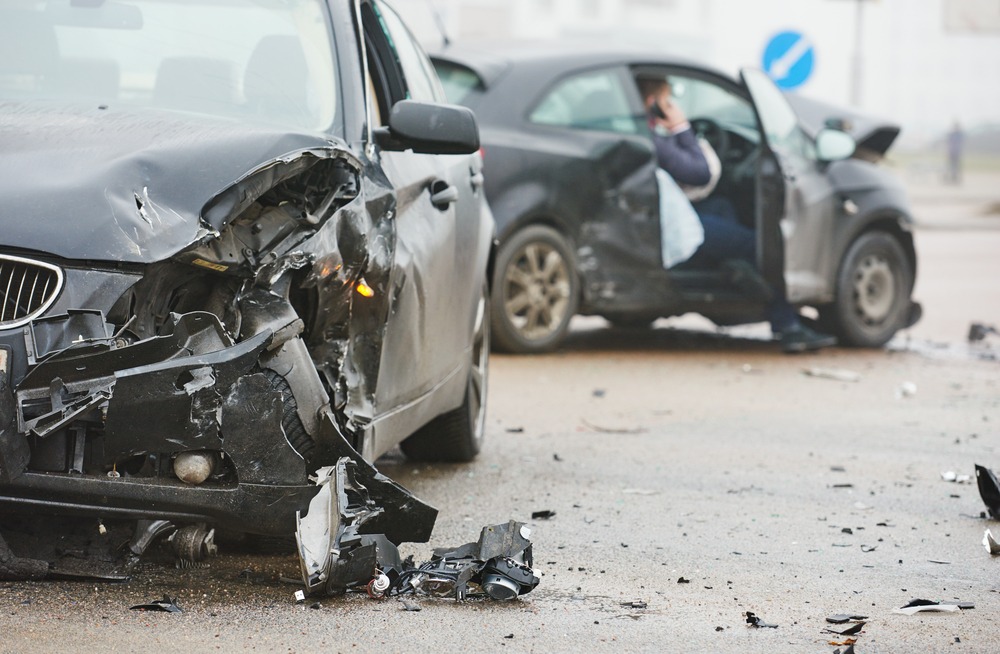
Whether or not you should move your car after an accident depends on your situation. Accidents can vary in severity and damage. Moving your car may be more dangerous on certain roads and in certain situations than others. The priority is the safety of everyone involved, followed by preserving evidence for an investigation.
While every accident has different variables, it may be wise to move your car if:
For example, if someone rear-ended you on a one-way road, you can move your car onto a shoulder or side street to avoid blocking traffic. Likewise, if the location of the vehicles makes it likely that a third party might accidentally run into them, consider moving them if no one will be harmed in the process.
When debating whether you should move your car after an accident, one consideration is the evidence that could be compromised by changing a scene. Some accidents can be crime scenes.
Yet even if your crash is unlikely to involve an extensive police investigation, you may still need to preserve evidence of negligence to support an insurance claim or personal injury lawsuit.
If the safest option is to move your vehicle, take photos and video if possible beforehand of:
Jot down details of the scene to have a written record. If you can’t leave things exactly as they are, try to capture as much information as you can. It could help later.
In some cases, it is unwise to move your car, such as if:
For example, if your vehicle is on or at risk of fire, leave it behind. A less harrowing scenario would be if you simply cannot drive your car. Similarly, anyone who sustained significant or unknown injuries are best left in place until emergency services arrive.
When considering whether to move your car after an automobile accident, remember that the site could provide significant evidence for a criminal or civil case. This can be especially important in crashes involving significant injury, damage, or even death, or if someone flees the scene.
Leaving vehicles in place could:
Again, your safety takes priority over anything else. Moreover, thanks to technology and surveillance, investigators can still get to the bottom of your crash even if you must move your vehicle.
If your car is moveable, you don’t feel injured, and the other party asks to leave cops and insurance companies out of it, you may think about brushing off the crash entirely. However, most states require you to report an accident. Per 75 Pa. C.S.A. § 3746(a), Pennsylvania drivers must notify police if an accident caused:
You may think your accident doesn’t fit those criteria, but some injuries can take 48 to 72 hours to manifest symptoms. Whiplash signs, for instance, may take days to develop. If you leave the site of an accident only to discover later that you were injured, you could have fewer options for receiving benefits and compensation.
Reporting an accident, staying at the scene, and preserving evidence can protect your right to compensation. Taking these steps could make it easier to receive help with:
Some of these damages are available through no-fault insurance claims, while others can only be pursued with a personal injury lawsuit. Regardless of the form your case takes, the more records you have of what happened, the better.
However, your safety is more important than getting evidence. Whether you moved your vehicle or not, the car accident lawyers at Berger and Green can investigate your crash and fight for you to receive the help you need. We can obtain police reports, interview witnesses, reconstruct accidents, and create a comprehensive picture of what happened. You don’t need all the answers, just take care of yourself after a crash and then contact our team as soon as possible.
Call us anytime with questions about preserving evidence at the scene or reporting a crash to police and insurance. In fact, at Berger and Green, feel free to ask us anything about your car accident. We’re available 24/7 at (412) 661-1400.