- Applying for SSD Benefits When You Have Heart Disease
- How We Help With the Initial Clarksburg SSD Application
- Your Path Forward After an SSD Denial in Clarksburg, WV
- Support From Our Clarksburg SSD Team is Only a Call Away

Heart disease can change every part of your life—from your health to your daily routine to your ability to keep working. When symptoms make it impossible to stay on the job, Social Security Disability benefits may provide the stability you need. A Clarksburg heart disease disability lawyer from Berger and Green can help you pursue the benefits that support your well-being and your future.
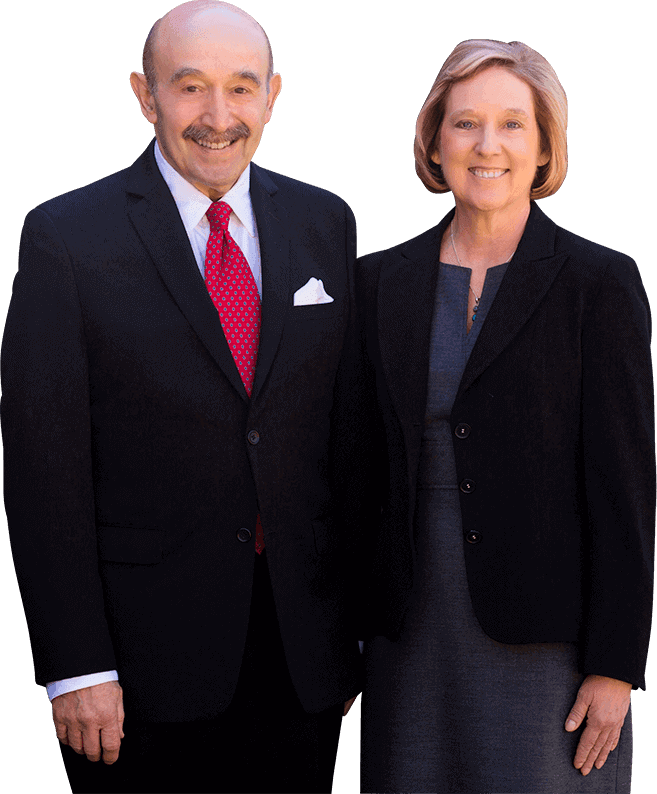
As Social Security Disability lawyers serving Clarksburg, WV, we understand how overwhelming it can feel to manage a serious heart condition while worrying about income, medical bills, and next steps. Whether you need to file an application or challenge a denial, our team is here to make the process clearer and easier. With more than 40 years of experience and a commitment to personalized, client-first support, we guide you from the beginning of your claim through every stage that follows.
Call now for your free consultation.
Applying for SSD Benefits When You Have Heart Disease
Heart disease can affect your stamina, breathing, circulation, and ability to handle physical or even routine daily tasks. Symptoms like chest pain, shortness of breath, fatigue, dizziness, or swelling can make it difficult to stand, walk, lift, or concentrate long enough to maintain steady employment.
When your condition becomes disabling, meaning that you are no longer able to work, there are two disability programs that you may be able to apply for.
Social Security Disability Insurance (SSDI)
SSDI is available to people who have worked and paid into Social Security long enough to earn the required work credits. Many applicants need around 20 work credits—roughly five years of past work—though an applicant’s age can alter how many credits they need.
Supplemental Security Income (SSI)
SSI offers disability benefits to people who have limited income and resources. It does not require a work history. For those whose heart disease keeps them from working and who qualify based on financial need, SSI may be another path to support.
Both programs focus on how your symptoms limit your ability to work, not just the name of your diagnosis. The SSA considers a condition disabling when it prevents you from performing substantial work for at least 12 months or is expected to result in death.
What Happens If Your Condition Doesn’t Fit the SSA’s Criteria?
The Social Security Administration’s Blue Book outlines medical criteria for certain heart conditions, but you may still qualify even if you don’t meet every listing requirement. In many cases, the SSA evaluates your residual functional capacity (RFC) instead, which looks at what you can still do despite your symptoms.
If your RFC shows that your limitations prevent you from sustaining full-time work, you may be approved based on how your condition affects your daily functioning, not just whether you meet a listing.
40+ years of experience from strong, knowledgeable, compassionate attorneys.
Start A Free EvaluationHow We Help With the Initial Clarksburg SSD Application
Applying for SSD can feel overwhelming, especially when you’re managing medical appointments, medications, and unpredictable symptoms. When you work with our team, we can complete and file your SSD application for you, making the process more manageable from the very beginning.
Our Clarksburg team helps ensure that your application clearly reflects how your heart disease affects your daily life and your ability to work. You’ll know what to expect at each stage, and you’ll have a legal team guiding you so you can focus on your health rather than paperwork and deadlines.
We know you’re hurting. We can help. Free case evaluations, home and hospital visits.
Contact Us Now For HelpYour Path Forward After an SSD Denial in Clarksburg, WV
A denial can feel discouraging, but it is extremely common. Many claims are initially denied because records are incomplete, symptoms fluctuate, or the SSA does not fully understand how your condition limits daily activities. An appeal gives you the chance to clarify what you live with and present stronger evidence. When you appeal, your case moves through several possible levels:
Reconsideration
A new reviewer examines your application and any additional information you provide. Submitting updated medical evidence or clearer explanations of your limitations can make a meaningful difference.
Hearing Before an Administrative Law Judge (ALJ)
If Reconsideration is denied, the next step is a hearing, which may be held by phone, video, or in person. This stage can take longer to reach because of scheduling backlogs, but it is often where claimants have the best opportunity to explain how heart disease affects their ability to work. Many approvals happen at this level because the Judge can consider your condition in a more complete way than the earlier reviewers.
Appeals Council Review
If you disagree with the Judge’s decision, you may request that the Appeals Council review your case. The Council may deny review, send the case back for another hearing, or issue a new decision. This step focuses more on whether the Judge followed SSA rules rather than re-evaluating symptoms.
Federal District Court Review
If your case continues beyond the Appeals Council, you can pursue a federal court review. This stage examines legal errors in the decision-making process and is available if previous steps did not resolve your claim.
Don’t Wait to Start Your Appeal
Throughout these stages, timing can vary. The process is long and can take months due to SSA delays. It’s important to act promptly at every phase of the process, because each time your case advances to a new appeal level, you generally have 60 days to respond. Filing within that window keeps your claim moving and helps prevent delays or the need to start over.
When you work with our team, we handle the appeal filings, track every deadline, and prepare you for what to expect at each stage. We also represent you at the hearing and communicate with you throughout the process so you’re never left guessing about your next step. Our goal is to make the appeals journey as clear and manageable as possible, giving you the support you need while you focus on your health.
You need an attorney with the experience and dedication to give your case the care it deserves.
Start A Free EvaluationSupport From Our Clarksburg SSD Team is Only a Call Away
Heart disease can leave you uncertain about your health, your income, and your next steps, but reaching out for help as early as possible can give your claim a stronger start. A Clarksburg heart disease disability lawyer from Berger and Green can make the process clearer and more manageable, so you’re not facing it on your own.
For more than 40 years, our firm has helped people pursue the disability benefits they need. We bring a client-first approach to the disability claims process in West Virginia. We are available to answer your questions and walk you through each step, providing the personal attention our clients deserve. Contact us for your free consultation today.