Understanding Your Rights
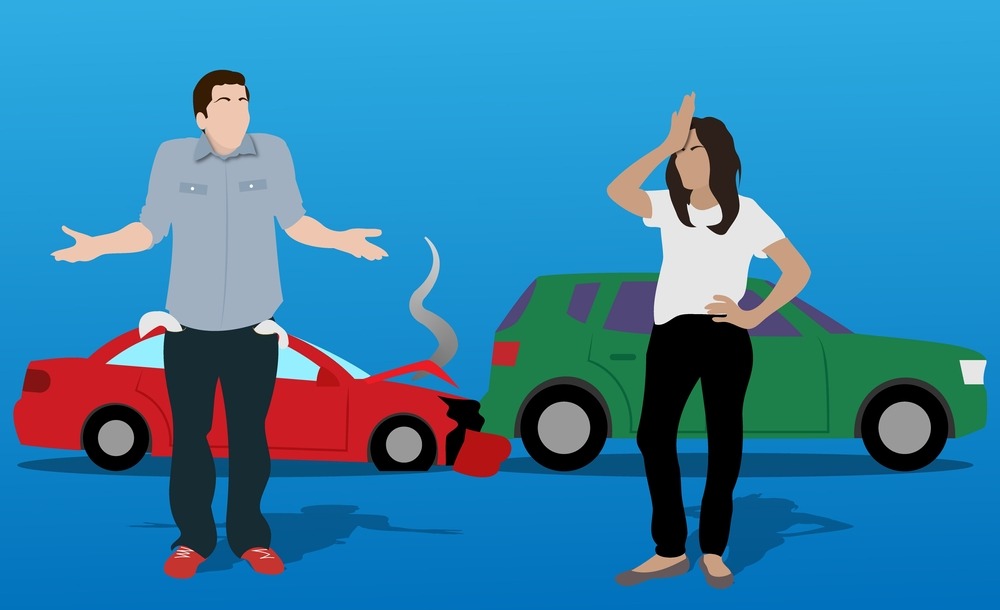
Being involved in an accident is a scary experience, but the situation can escalate quickly if the at-fault party does not have insurance coverage. This scenario leaves you, the injured party, in a poor position, wondering about your rights, options and the potential for receiving compensation for your injuries and damages.
In most jurisdictions, drivers are required by law to carry insurance that covers liabilities in case of accidents they cause. However, not everyone follows these laws, leaving victims of accidents with substantial challenges. If you find yourself in this situation, it is important to understand your rights and what avenues are available to seek compensation.
40+ years of experience
from strong, knowledgeable, compassionate attorneys.
Uninsured Motorist Coverage
One of the primary sources of compensation in such cases is uninsured motorist coverage (UM). This type of insurance is designed to protect you in situations where the at-fault driver either has no insurance or their insurance is insufficient to cover your damages. UM coverage typically pays for medical expenses, lost wages and other costs resulting from the accident.
If you have uninsured motorist coverage as part of your own auto insurance policy, you can file a claim with your insurance company. It is important to review your policy details to understand the extent of coverage and any limitations that may apply.
Legal Recourse Against the At-Fault Party
If you do not have uninsured motorist coverage or it is insufficient to cover your expenses, you may consider legal action against the at-fault party directly. However, this can be challenging if the individual lacks insurance and also has limited personal assets. Consulting with a personal injury attorney is crucial in these situations to explore all possible legal avenues.
Government Compensation Funds
Some states have compensation funds or programs designed to help victims of accidents involving uninsured or underinsured motorists. These funds are often limited and have specific eligibility criteria, so it is important to inquire about the availability and requirements in your state.
Steps to Take After the Accident
Regardless of the at-fault party’s insurance status, certain steps should be taken immediately after the accident to protect your rights and strengthen your potential claim:
- Document the Accident: Gather as much evidence as possible, including photos of the scene, witness statements and police reports.
- Seek Medical Attention: Even if your injuries seem minor, get checked by a healthcare professional to document your injuries.
- Notify Your Insurance Company: Promptly inform your insurance company about the accident, even if the other party is at fault and uninsured.
- Consult with an Attorney: A personal injury attorney specializing in uninsured motorist cases can provide invaluable guidance and representation.
You need an attorney
with the experience and dedication to give your case the care it deserves.
Recovering Compensation After an Accident
Being injured in an accident caused by an uninsured driver is a daunting situation, but it is important to remember that you have options. Understanding your insurance coverage, exploring legal avenues and seeking professional advice are key steps toward securing compensation for your injuries and damages.
If you were involved in an accident, contact the personal injury attorneys of Berger and Green for a free case evaluation.