Who Receives Compensation in a Wrongful Death Claim?
Losing a loved one due to someone else’s negligence or wrongful actions is one of the most devastating experiences anyone can endure. While no amount of financial compensation can truly replace the loss, a wrongful death claim can help provide the financial support needed to cope with the aftermath. However, a key aspect of these claims is understanding who is eligible to receive compensation. If you are navigating the legal complexities of a wrongful death claim, it is important to know who may be entitled to compensation under the law.
What is a Wrongful Death Claim?
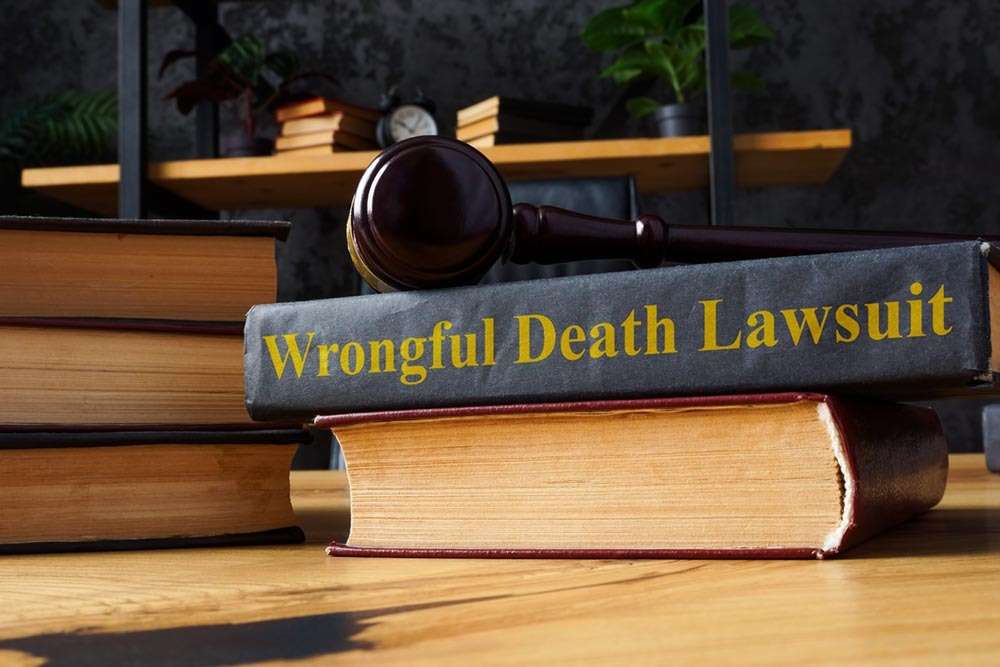
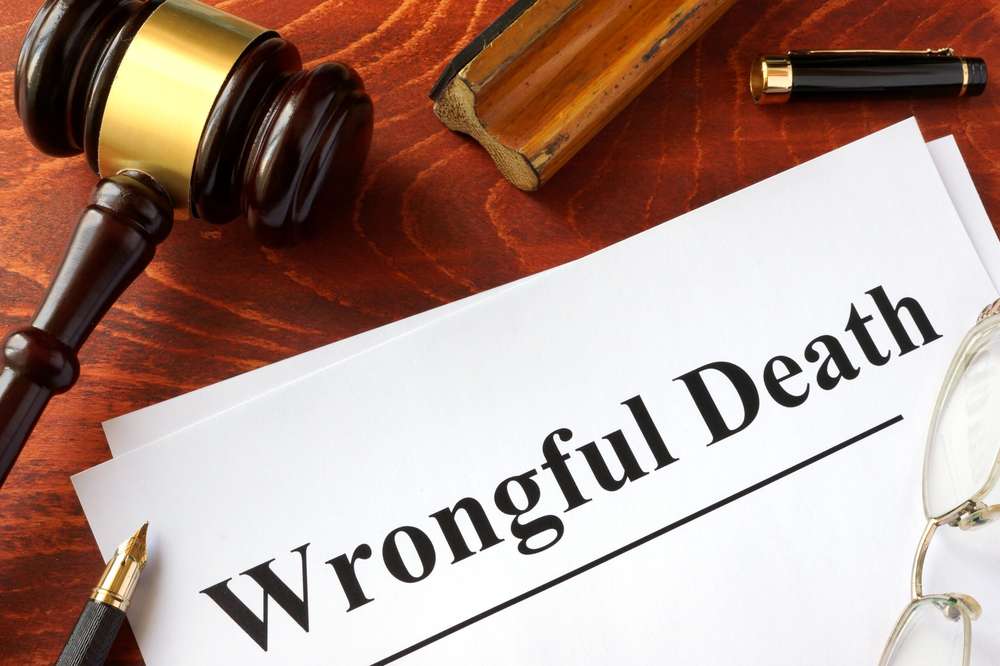
A wrongful death claim arises when a person’s death is caused by the negligence, recklessness, or intentional act of another party. These claims often result from accidents such as car accidents, workplace accidents or medical malpractice. The compensation sought in a wrongful death claim can help cover financial losses, such as funeral costs, medical bills, lost wages and loss of companionship.
The individuals who can receive compensation in a wrongful death case depend largely on the state laws where the claim is filed. While every state has its own specific statutes, the following individuals are typically eligible to receive compensation:
- Spouse
40+ years of experience
from strong, knowledgeable, compassionate attorneys.
In many states, the surviving spouse is one of the primary individuals entitled to file a wrongful death claim and receive compensation. The spouse may be eligible for both economic damages (such as lost income and financial support) and non-economic damages (such as loss of companionship, emotional suffering and the impact on the family unit). The surviving spouse’s compensation will typically reflect the nature of their relationship and their financial dependence on the deceased.
- Children
Children of the deceased (both biological and adopted) are often entitled to receive compensation in a wrongful death case. Whether the children were financially dependent on the deceased or not, they may be compensated for their emotional loss, the loss of guidance and the loss of financial support.
- Parents
In some cases, parents may be eligible to receive compensation in a wrongful death claim, especially if the deceased was a minor or had no spouse or children.
- Siblings
While siblings are usually not prioritized in wrongful death claims, they may be entitled to compensation if the deceased had no surviving spouse, children or parents.
- Other Dependents
You need an attorney
with the experience and dedication to give your case the care it deserves.
In certain circumstances, individuals who were financially dependent on the deceased may also be eligible for compensation. This can include domestic partners, grandparents or other relatives who relied on the deceased for financial support. The claimant must demonstrate that they were financially dependent on the deceased and that their loss has resulted in a significant hardship.
How Compensation is Determined
The amount of compensation awarded in a wrongful death claim depends on a variety of factors, including the deceased’s age, earning capacity and the financial and emotional impact of their death on the surviving family members. Compensation may cover:
- Funeral and burial expenses
- Medical bills related to the deceased’s final injury or illness
- Lost wages and the deceased’s future earning potential
- Loss of companionship, guidance and support
- Pain and suffering experienced by the survivors
Recovering Compensation in a Wrongful Death Claim
If you have lost a loved one due to someone else’s negligence, understanding who can receive compensation in a wrongful death claim is essential.
If you believe you may have a wrongful death claim, contact the experienced attorneys of Berger and Green. We can help you navigate the legal process and ensure that you receive the compensation you deserve during this difficult time.