Why Are So Many SSD Claims Denied on the First Try?
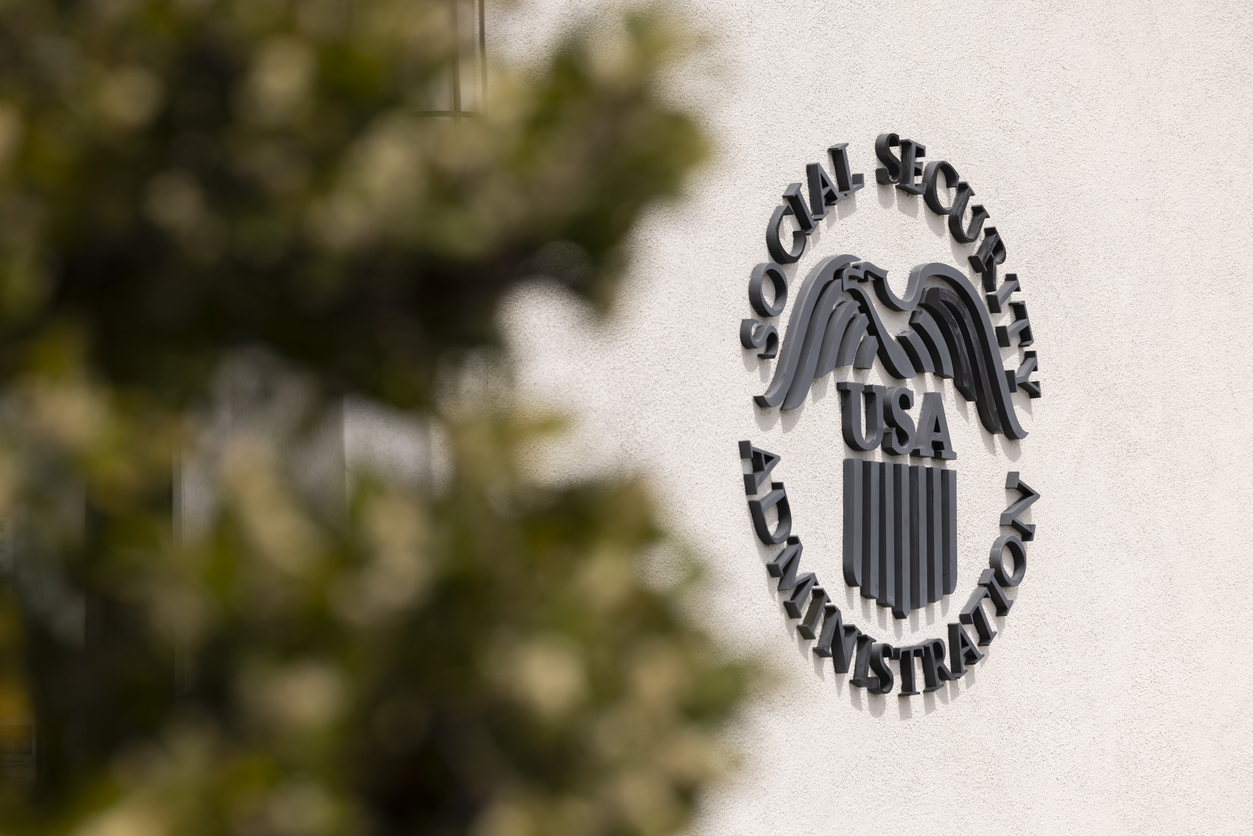
Applying for Social Security Disability (SSD) benefits can be overwhelming. Many applicants are surprised and frustrated to learn that the majority of claims are denied the first time they are submitted. In fact, according to recent Social Security Administration (SSA) statistics, only about 30 percent of initial SSD applications are approved. Understanding the common reasons for these denials can help you prepare a stronger application and avoid delays.
40+ years of experience
from strong, knowledgeable, compassionate attorneys.
Insufficient Medical Evidence
One of the most common reasons for denial is a lack of medical evidence. The SSA needs detailed documentation that clearly shows how your medical condition prevents you from working. Simply having a diagnosis is not enough. You must provide medical records that include test results, treatment history, doctors’ notes and information about how your condition limits your daily activities and ability to perform work-related tasks.
Failure to Follow Prescribed Treatment
If you do not follow your doctor’s recommended treatment plan, the SSA may assume that your condition is not as serious as you claim. Unless there is a valid reason for not following treatment, such as a financial or religious objection, this could lead to a denial. The SSA wants to see that you are taking reasonable steps to improve your condition.
You need an attorney
with the experience and dedication to give your case the care it deserves.
Income That Exceeds the Limit
To qualify for SSD, you must be unable to engage in what the SSA calls substantial gainful activity. If you are still working and earning more than a certain monthly amount, your claim may be denied. The SSA adjusts this income limit each year. If your earnings exceed the limit, even part-time work may disqualify you.
Application Errors and Incomplete Information
Many initial SSD claims are denied due to simple errors or missing information. Inaccurate or incomplete forms can raise red flags. If your application is not thorough and well-organized, the SSA may not have enough information to approve your claim. Double-check all documents before submitting them and make sure all requested information is included.
Your Condition Does Not Meet SSA’s Criteria
The SSA maintains a list of medical conditions that automatically qualify for disability if certain requirements are met. However, even if your condition is listed, you must still prove that it meets the specific criteria outlined in the SSA Blue Book. If your condition is not listed, you must demonstrate that it is just as severe as a listed impairment. Many claims are denied simply because the medical evidence does not show that the condition is disabling under SSA guidelines.
Lack of Legal Representation
Many applicants file on their own without legal help. While this is allowed, having a Social Security disability attorney can significantly improve your chances of success. A qualified attorney can help gather medical evidence, ensure your application is accurate and represent you at hearings if your claim is denied.
A first-time denial is discouraging, but it does not mean your case is over. Understanding why claims are denied and taking steps to address those issues can make a big difference during the appeal process.
If you have been recently denied, or need help applying, contact the attorneys of Berger and Green for a free consultation.